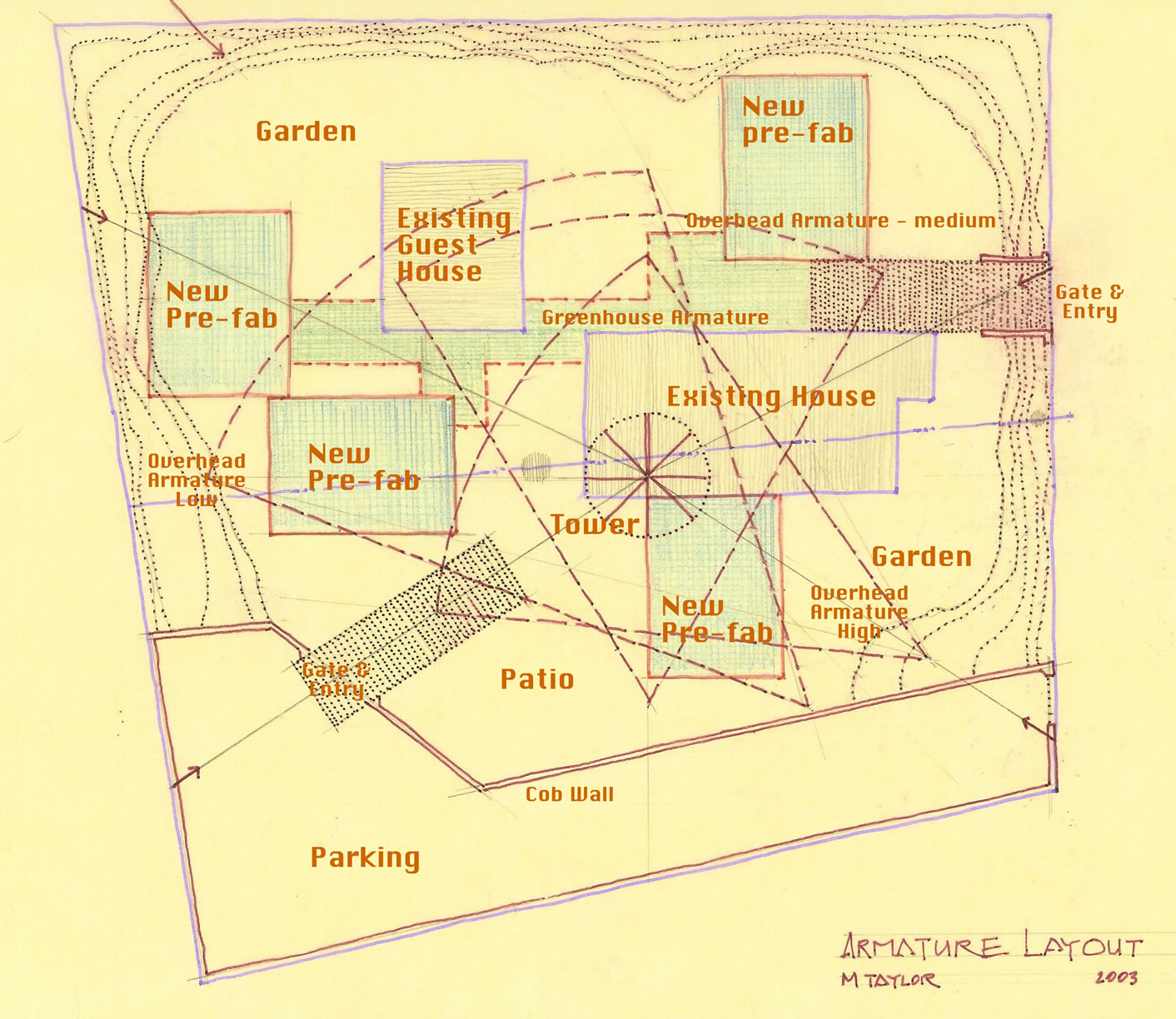
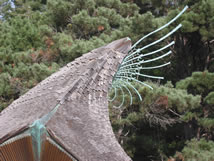
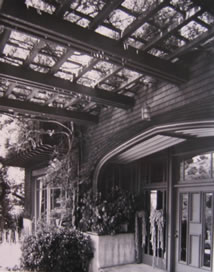
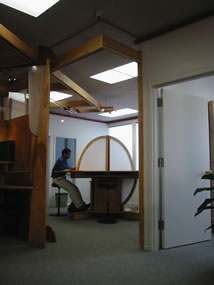
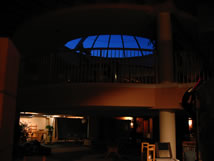
| The are many strong traditions of architecture in the Northern California region. While independent in their idiom and expression, these traditions were influenced by a variety of sources from the US and abroad. | | While every project must evolve it’s own unique expression and grammar, it will always draw from established roots - other wise it is without regional context. The work below is suggestive of grammatical elements that can be employed to create a new gestalt appropriately expressive of the Point Arena project. None should be copied; each can be an instructor. All have a contribution to make. | 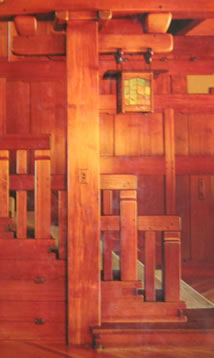 | | The Arts and Crafts movement originated in England, however Greene and Greene - practicing in Pasadena, California in the 19th Century until the outbreak of WWI - were undisputed masters of the “Bungalow” style. Their work also incorporated detailing that was sympathetic to traditional Japanese wood working which had become a highly refined practice of traditional craft approaches. Timber framing is a near cousin to this, still living, tradition which is a way of working and esthetic. | | 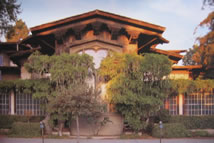 | | It is impossible to do authentic architecture in this region without being in debt to Bernard maybeck, a great genius and artist. He synthesized Gothic, Art and Craft into a unique idiom. | | 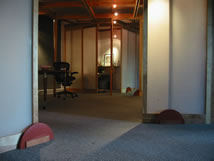 | | This environment by SFIA Architects-Master Builders is an exercise in translucency and flexible arrangement - the interior space is free to adapt to the task and mood of it’s users. A palette of plywood, redwood and plexiglas creates place. | | 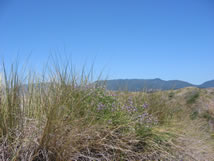 | | The landscape in this region remains a major influence. It has not be vanquished as in so many parts of the world. Altered by humans, yes - but still a powerful voice of it’s own. You design with the landscape here. | | 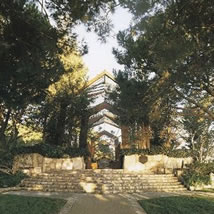 | | Lloyd Wright, the son for Fllw built a masterpiece on the bluffs of Pacific Palisades in Southern California - a perfect synthesis of function, material and site. Stone, redwood, glass and landscaping united in a posture of aspiration and serenity. | | | | | The Catholic Church in Gualala, beautifully designed and built largely by community effort, is a recent exemplar of the Maybeck, Warren Callister traditions. | | 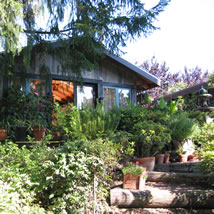 | | A local artist’s studio illustrates the Northern California bungalow style and landscaping. This is an idiom in itself with literally thousands of ready examples. This is, for the modern European settlers, the closest to regional, indigenous architecture that exists. | | 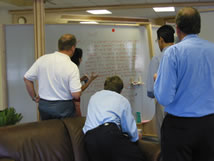 | | Collaborative places for people to work in a focused yet comfortable atmosphere are essential to carrying out the Community Center mission. | | 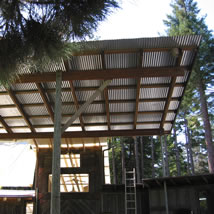 | | A high indoor-outdoor shed roof that creates a work area for a local artist illustrates the idea of high armature in its simplest form. | | 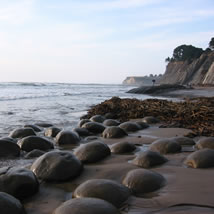 | | Bowling Ball beach south of Point Arena is on of several unique sites.... | | 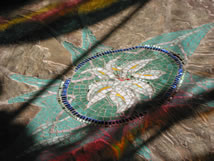 | | Art “built-in,” in this case, the Sea Ranch Chapel,both making and reflecting local idiom is key to the process of creating a regional reference. Without this, the enviornment is not anchored in time and place and neither are the people. | | 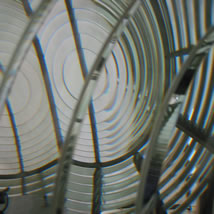 | | The lens of the Point Arena Lighthouse - a story in itself is a major attractor and influence in the area. | | 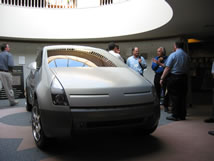 | | An effective Community Center has to be able to develop and promote innovation and social change - this process can be augmented by architecture designed to facilitate collaborative work and community celebration. The HyperCar at knOwhere. | | 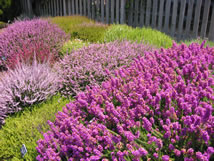 | | The Northern California landscape as it was in it’s natural state, as it was altered in the early days of resource exploitation and as it is being developed today, is an unusually strong and provocative design element in any piece of architecture. | | 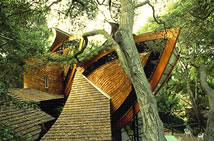 | | The Seymour house by Bart Price illustrates integration of building and landscape - each complements the other; neither dominates. A building,it’s landscape and cooupant becomes a living partnership. | | 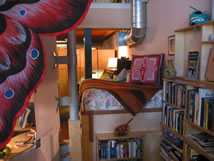 | | Places to work, study and sleep - intimate and spatially generous -facilitate the practice of visiting work-residency. Artists, crafts-persons, researchers, teachers can come to study, work, learn and leave the gifts of knowledge. | |  | | The power of vertical indoor-outdoor spaces is illustrated by this view from the carport (future garden) roof at Elsewhere and location for Gail’s future writing “nest.” | | | | Grammar is the means by which unity is created in a work and how ideas are translated into the form that gives them expression. A building’s grammar must be rich enough to facilitate the complexity required by it’s Program and, yet, express the simplicity required to tell one story throughout a person’s experience of the work. This is accomplished by each building element of the same kind being rendered the same way (or a deliberate variant of it) throughout the work. Ideas are expressed in a building by the means of denotation and connotation. Materials have intrinsic and historical meaning. So do shapes and masses. A work’s grammar determine’s these outcomes. | | Grammar is realized by the careful governance of specific architectural elements: geometry and modular discipline; materials and detailing; grouping and massing of structural components; colors and textures; ornament; direct references, that have clear meaning to community, and client and that bring historic and regional context to a work. | | Grammar brings unity and clarity to a work of architecture; it locates a habitat in time and place. It captures the values important to and unique to the building region and community and to the inhabitants of the space. | | As example, there is no mistaking the works of Greene and Greene or Bernard Maybeck. They are unique, strong and regional and they express historical and universal architectural values. You have no problem navigating their spaces. You always have a sense of where you are. This is because their grammar and Pattern Language is not cluttered and confused as is the unhappy reality of so many lesser works. Maybeck and the greene brothers were highly successful at bringing a strong design sense and a natural sense of living and comfort into harmony in their works. | | The Point Arena Community Center can draw on the past - and should. It is the future, however, that this Center envisions - and creates - that is important. The buildings that make up the Center complex are the built reality - the expression - of this vision. | | The grammar that is appropriate for this project will emerge, as a natural consequence, out the the design process that is to come. This document explores some of the roots of the grammatical elements that have intrinsic legitimacy in this geographic area and with the kind of project this is. | | | This will be a community built structure. This fact in no way means that it’s architectural quality will be compromised - just the opposite. This region of the US is rich in art and craftsmanship. Part of building this community is accomplished in employing it to make the place - this is an investment process. There are several other projects in the region that can share resources and participate in each other’s building processes. The work goes better with larger crews working with “barn-raising” spirit. | | The building palette has to be selected to both make use of these regional arts, crafts and vernacular and at the same time open the possibility to a sum far greater than these parts. Palette and Grammar are intertwined and are means to achieving the project’s program. | | Three traditions will be fused to become this project’s way of working: The Timeless Way of Building; traditional barn raising the the FasTracking methods of MG Taylor Corporation as practiced by SFIA Architects-master Builders. The architecture will have this work process “designed in” the very fabric of the concept and the process means to realizing it. | | This project will be built by a ValueWeb - a new model of organization and enterprise. ValueWebs work differently than traditional organizations and the are made of of several necessarycomponents. Community focused individuals and community-based organizations can be made very effective if properly brought into this network architecture. It will be the mission of the Point Arena Community Center that will attract this community and it will be the ability of the Center, itself, to be an effective system integrator that will determine the efficacy of the resulting process. | |