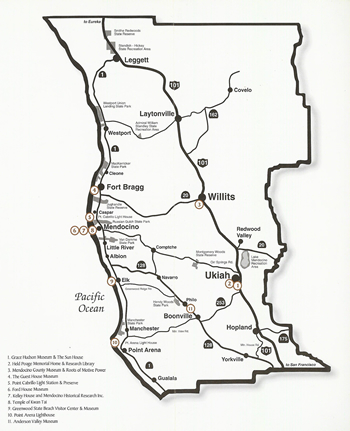
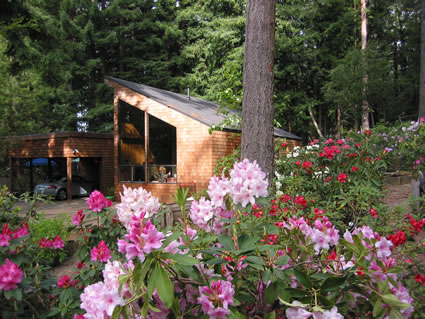
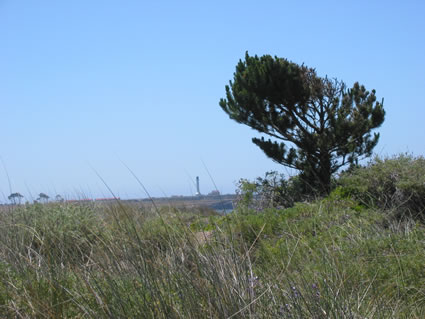
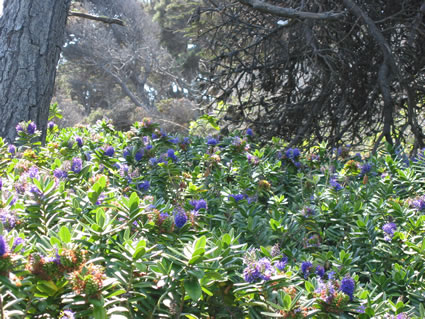
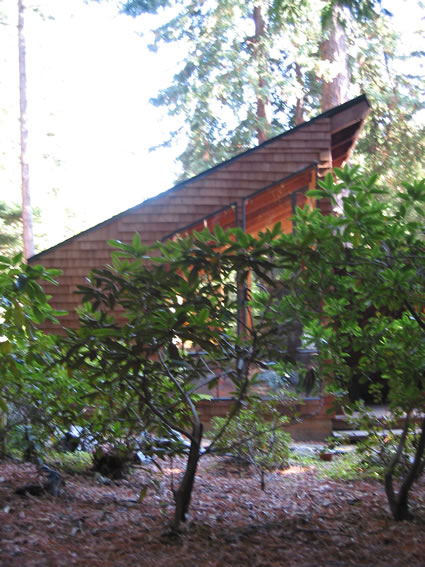
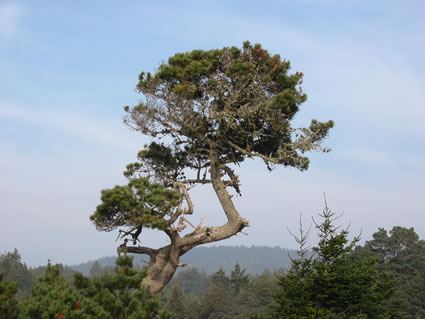
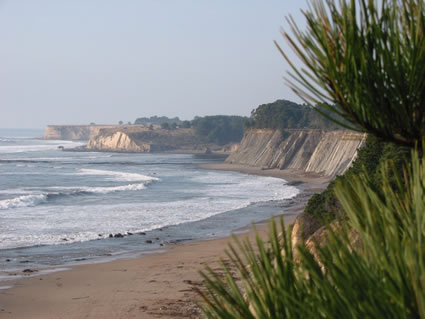
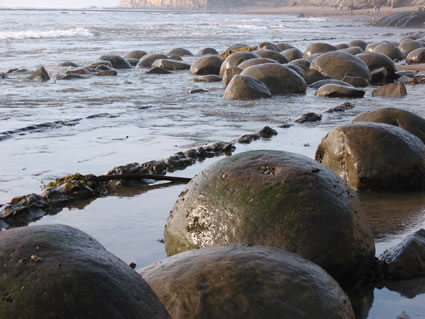
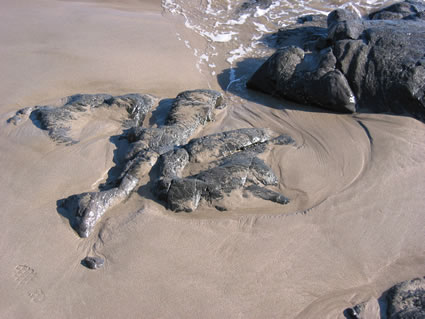
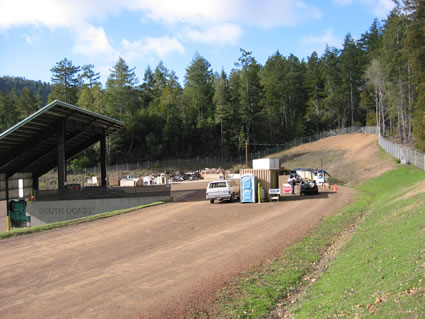
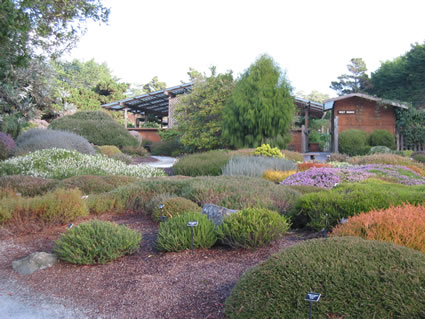
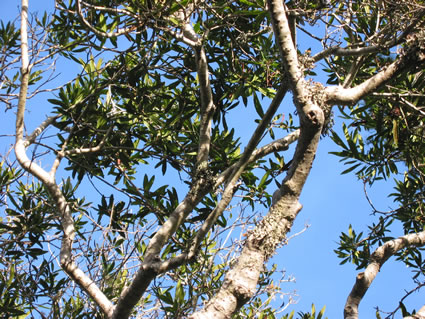
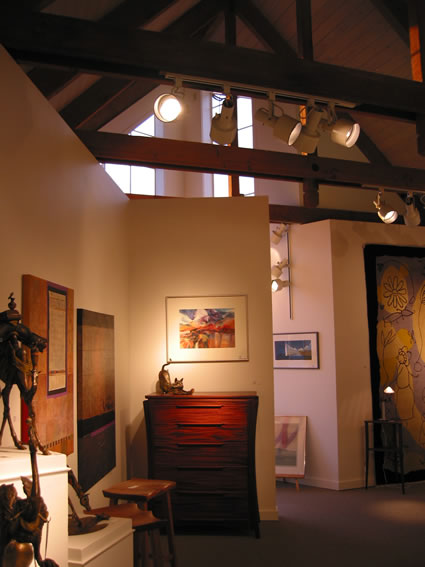
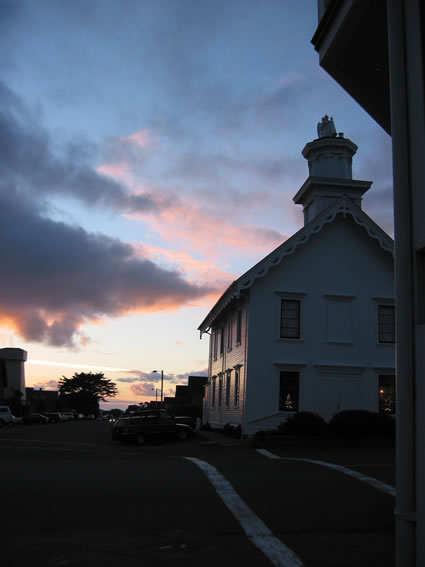
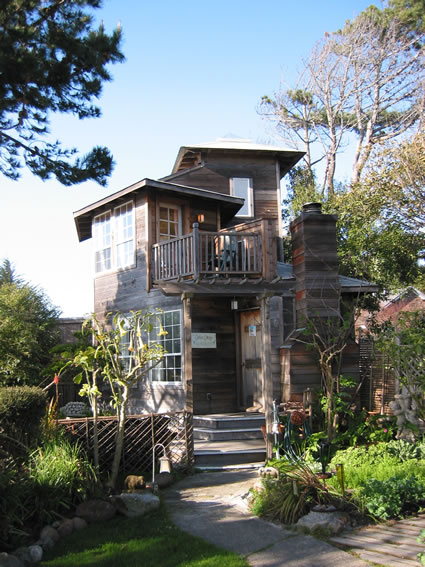
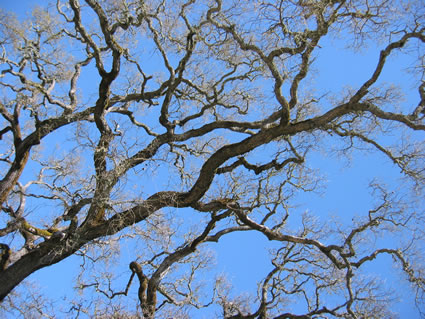
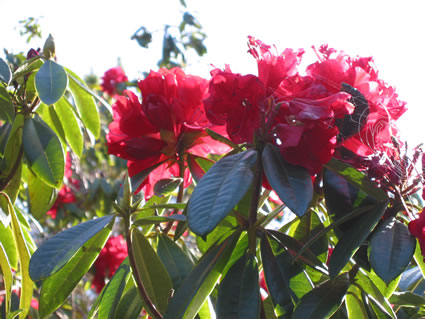
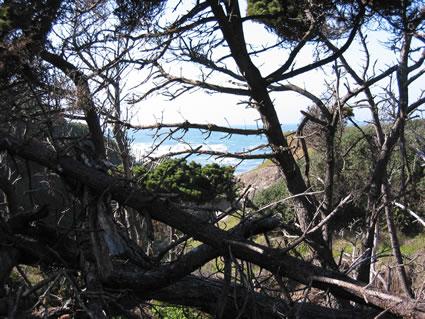
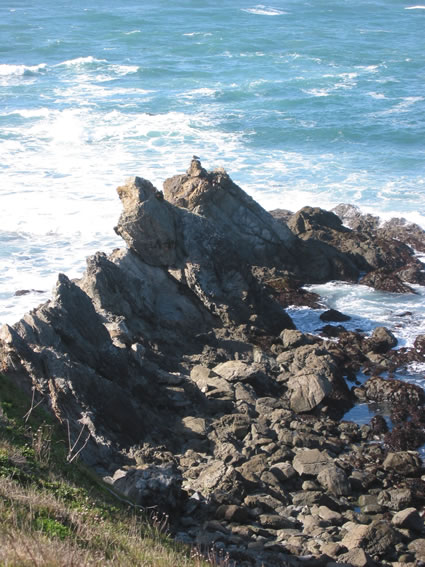
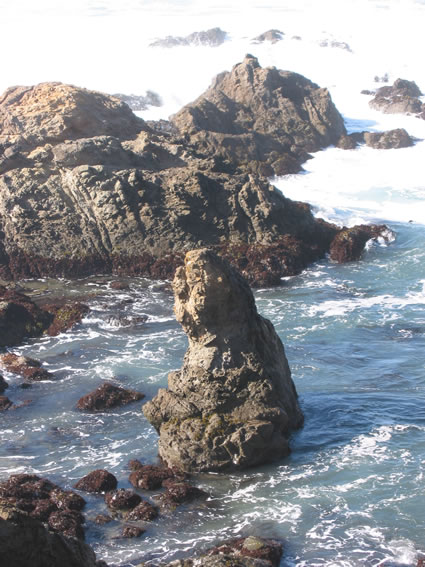
| PLACE is far more important to human health and happiness then is commonly recognized [link]. There are many, many aspects of place [link] that have to be explored in order to understand why this is so and in order to the create appropriate means for the making and maintenance of human [link] habitat. | | One of the unfortunate realities of our time is that we are rapidly destroying the natural and human-built habitats that make up the context within which most humans can build a place that fits their personal nature and requirements. This is a crises of ecology [link], economics [link], community [link], architecture [link] and development [link]. It is the result of an almost universal strategy of moving to a new pristine area that has sought after intrinsic value and, then, despoiling it by careless, short-sighted development - then, moving on. Until recently, there has always been somewhere else to move to [link]. No more. The restoration of once devastated areas is one of the most exciting development stories going on today. | | There have been notable exceptions throughout history where humans have diligently worked to achieve an integration between natural habitat and human made habitat [link]. Places of remarkable beauty, culture and economy have been created [link]. Overall, however, this has been a losing battle as the structure [link] of our society has imposed its inevitable logic on (so called) civilization’s development patterns. In many respects, we are now in the end-game in making of a single human artifact of planet earth [link]. | | I live [link], when I am there [link], in a part of the world that was badly raped [link], has partially recovered, and is working to find the balance between all the competing factors that modern civilization brings to the process of evolving itself. Mendocino County, a hundred or so miles North of San Francisco, is a place of incredible natural beauty and a sometimes example of intelligent development. It struggles with the issues of development and defining itself and it holds a promise of actually finding its way to a sustainable solution. | | I call it Ecotopia after the novel [link]- although the reality is different than the story - there are many Ecotopian values at play in this part of the world. I also wonder, given present trends, if there may be a clash in the future between this region with the rest of the US. An attempted raid on our water [link] is an example of the kinds of conflicts that may well shape our political future. Such risks as this are actually embedded in the law of the land through treaties such as NAFTA. Circumstance such as this is why I believe that the next viable political/economic unit will be based on regional ecological-economic/ bio regions [link]. | | Below, to show the story of Mendocino [link], are a number of images, collected over the last two years, from all seasons and many different parts of the county. These present but a small aspect of the place and, what is even more remarkable, they are not the consequence of extreme editing or even selection. Anywhere in America can offer up a set of photos of similar quality. In most places the images would not be the predominate reality but the result of highly effective editing. In Medocino, you can be lead around blind folded for days, shooting the camera at random, and achieve the same level of images I show here. I live in a county where you can drive for hours and not see a piece of franchise architecture (except for a few gas stations and not the majority of these) and never the now ubiquitous cell phone tower. I can eat a full variety diet provided exclusively from local home grown organic farms. Where there is a rich cultural life yet most of the communities are a few hundred and the cities extremely small by modern standards. At night, I can listen to a silence that the vast majority of Americans, today, can never “hear.” The presence of wild animals still exists and makes up a daily experience. And yet, the mail gets delivered on time, Fed Ex is there, when you need them, and I can purchase most consumer goods and tools without too much travel, time expended, or delay. Many will argue that the majority of US Citizens can not live this way; that it is not practical; that the dense city environment is necessary to modern life. I agree that there is a necessary and viable role for the densly populated city [link]. I do not agree that cities have to be polluted; that they cannot be as “green” as where I live. The amenity of my place can be anywhere on Earth - as different, of course, as the local terrain and culture dictates. The negative trade-offs of pollution, crowding, noise, ugliness and unhealthy conditions that are becoming increasingly dominate in our habitat are not inevitable - they are not even the necessary result of our present population levels. These unfortunate results, are the consequence of poor political decisions and policies [link], exploitative development practices [link], runaway, mindless consumerism [link], the abuse of the (mythical) “free” market economy [link], and generally, just plain bad design [link]. More importantly, however, it is our societie’s inability to deal with systemic issues [link] that is causing the consequences that few actually want. | | Mendocino, although a poor county, recently fought off the development scheme, mentioned above, to run a water line one mile up the river where I live to a mile out to sea to fill huge mile long Mylar bags and haul the water down by tugs to San Diego [link]. Because of NAFTA and California’s water laws, this was not easy to do [link]. This would have ruined a river rich in Salmon [link] and not made a significant dent in the southern California’s water problems which can more easily be solved locally by sane policies and better design [link]. Mendocino recently, against a huge campaign by chemical companies, banned genetically altered plants and animals from the county [link]. There are many ins and outs to these controversial issues and, myself, I would rather see market mechanisms be the path to their resolution not use of regulatory law. Unfortunately, in today’s political, economic environment not to say STOP is to say yes. Fetzer Vineyards [link], the largest buyer of grapes in California, has gone organic, over the last eight years, with all of it’s own grape production and expects all of the grapes it buys from all suppliers to be organic by 2010 [rdtfBook]. The run off from chemically grown grapes is very damaging to the environment [link] and on the scale that the California wine industry is becoming, not sustainable [link]. Fetzer has found that it’s wine wins more rewards and it is less expensive to grow, organically. Real Goods [link], a large supplier of alternative solar and water systems, has it’s home office and demonstration facilities in Hopland. These facilities include a retail store run entirely off solar energy. Here is a County, once exploited, determining it’s own future by putting decisions into the hands of it’s own citizens to balance out economic, ecological and life-style issues. | | The pictures below (all Mendocino with the exception of three taken on Sea Ranch a couple of miles into Sonoma County) are taken of my back and front yards and also include views of our beaches, artists studios, homes, stores, bed and breakfast inns, and art gallery, our land fill and recycling center, pasture land, towns, a RV park, a waterfall right in the middle of a subdivision, a church and a chapel, a lighthouse, two parks and a flower garden and a winery - all within 60 miles of our house. Here is a landscape where indigenous peoples lived for centuries, that was heavily exploited in the 19th and early 20th century and is now finding a human-nature synthesis in the 21st Century. | | Matt Taylor
Nashville
March 13, 2004 | | 
SolutionBox voice of this document:
INSIGHT • POLICY • PROGRAM |
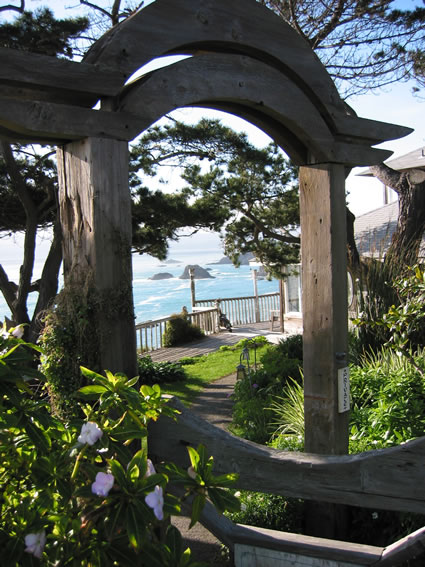
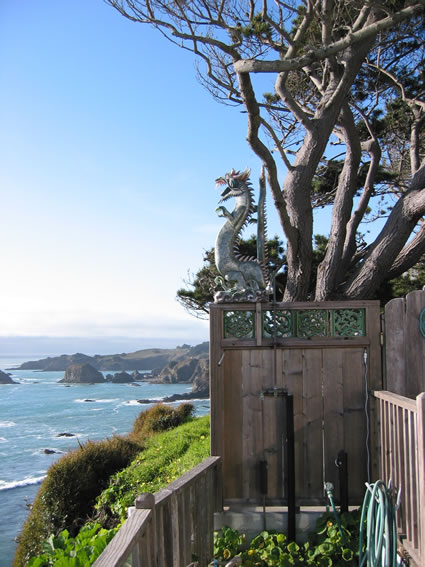
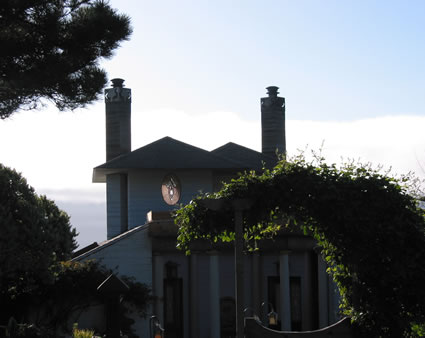
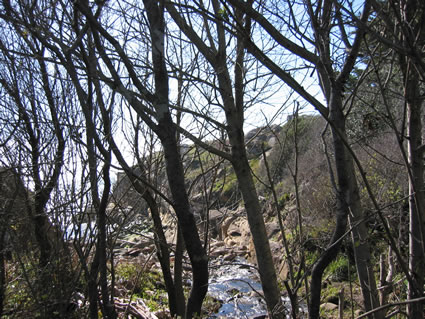
posted March 13, 2004 revised May 4, 2004
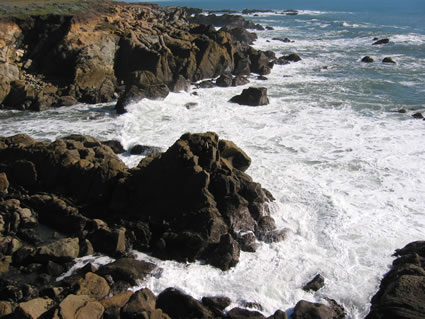
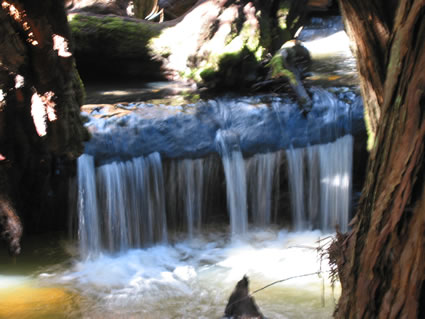
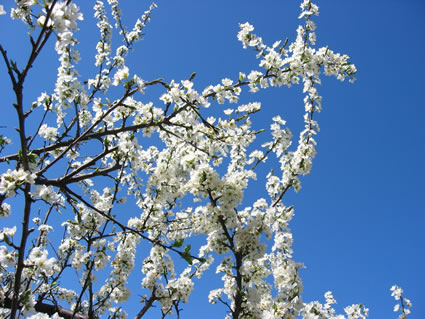
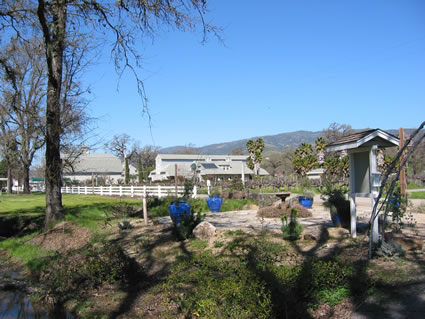
• 200040313.122155.mt • 20040504.390982.mt • (note: this document is about 95% finished) Copyright© 2002, 2003, 2004 Matt Taylor |
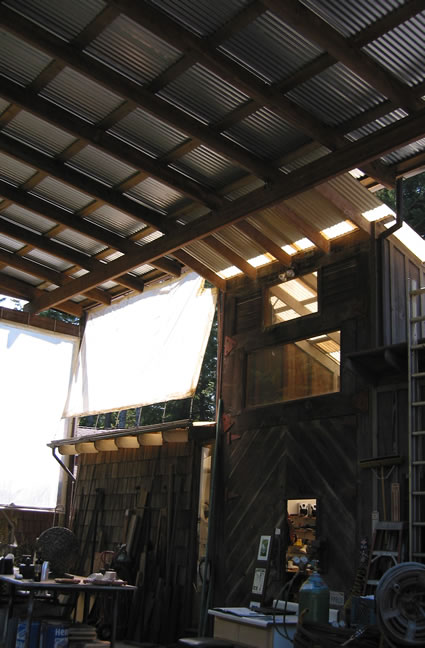
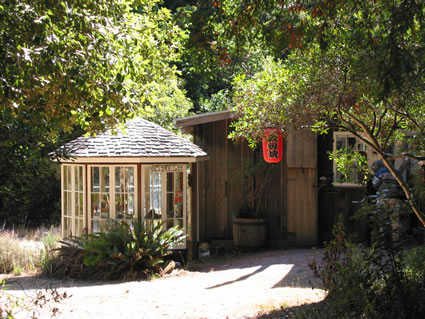
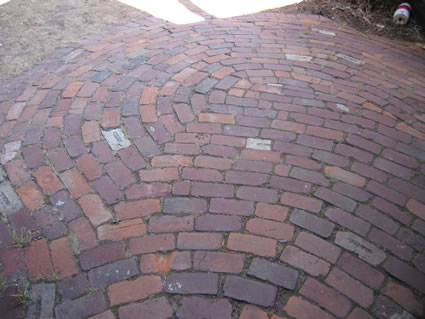
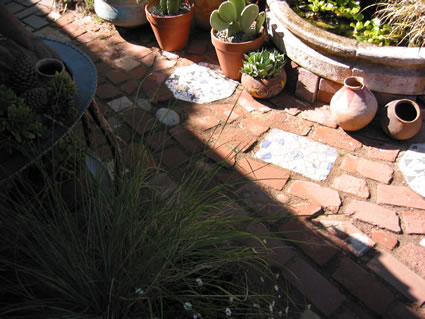
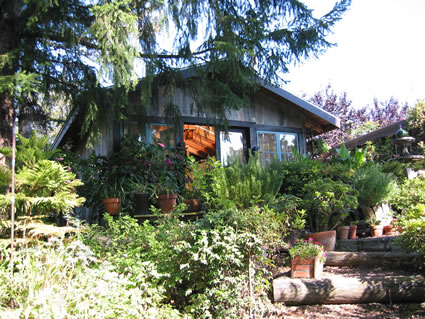
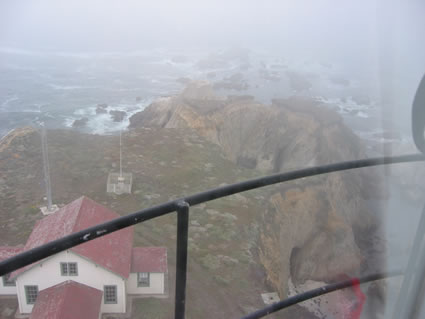
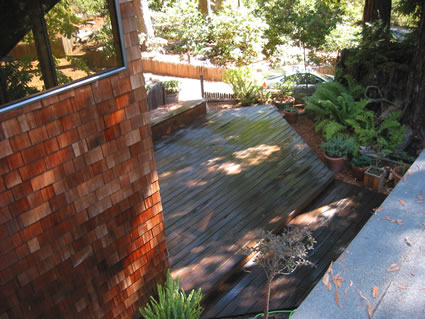
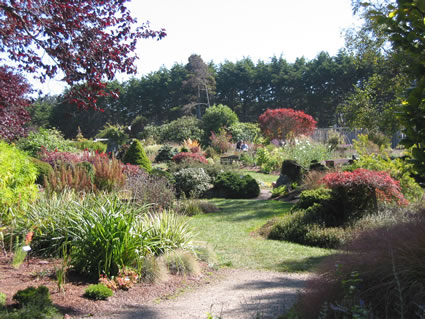
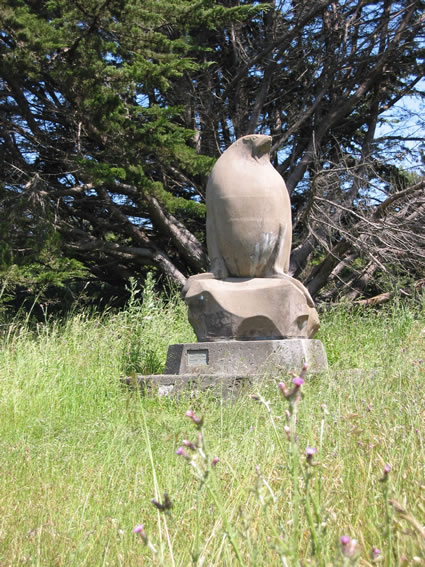
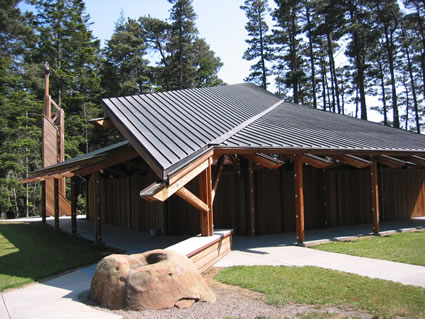
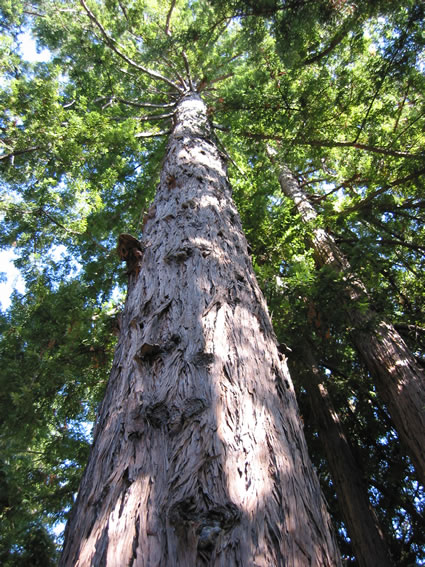
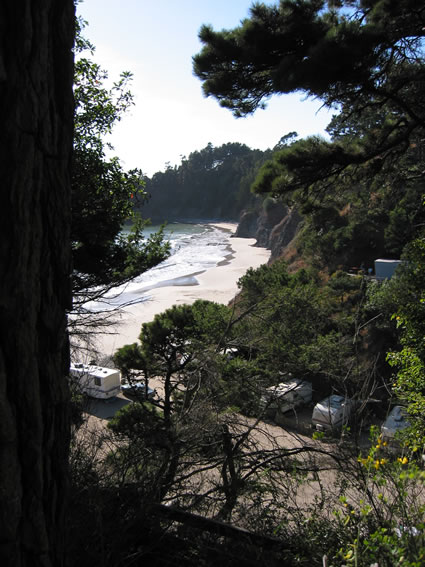
|